The Language of Connection Beyond Words in Memory Care Communities

In memory care communities across the country, powerful interactions unfold every day without a single word spoken. For individuals living with Alzheimer’s disease or other forms of dementia, verbal communication may gradually become limited, but that doesn’t mean the ability to connect is lost. It simply transforms.
At HarborChase Senior Living, we understand the deep need for connection and the many ways it can be nurtured, even as language shifts or fades. Through sensory experiences, gentle presence, emotional awareness, and thoughtful surroundings, we help create meaningful engagement beyond the spoken word.
1. More Than Words: Rethinking How We Communicate
Verbal conversation is only one part of human expression. Research shows that nonverbal communication, such as facial expressions, gestures, tone, and body language, accounts for 93% of how we convey meaning in everyday interactions.
In memory care, these unspoken cues take center stage. A reassuring tone, a gentle hand on the shoulder, or even the rhythm of shared walking can all serve as essential ways to connect.
2. The Impact of Cognitive Changes on Language
Alzheimer’s disease and other dementias affect the brain regions responsible for processing and producing speech. Therefore, individuals may experience difficulty finding the right words, forming coherent sentences, or understanding verbal instructions.
However, emotion often remains intact. That’s why it’s so important to shift how we communicate—to support what’s still strong and adapt to changes with empathy.
3. Understanding the Power of Nonverbal Cues
In its review of supportive communication strategies, a study in PubMed identified key categories that enhance connection in dementia care: facial expressions, gestures, visual prompts, tone of voice, and touch.
Each can serve as a bridge. Maintaining eye contact fosters intimacy and understanding. Smiling elicits a mirrored response. Open, relaxed body language encourages trust and calmness.
4. Listening with the Heart
When words fail, emotions take over. Those with memory loss may show needs or discomfort through mood shifts or behavior changes. Caregivers can respond with compassion by staying attuned and open. At HarborChase, our associates are trained to interpret unspoken cues—reading energy, facial expressions, and body signals with care.
5. Familiarity Builds Comfort
Environment matters. When surroundings feel familiar and soothing, anxiety and confusion often lessen. That’s why our memory care communities at HarborChase are thoughtfully designed to be both beautiful and functional.
We incorporate:
- Personalized entryways with memory boxes
- Clear visual pathways to support independence
- Cozy, calming color palettes
- Familiar objects that evoke positive memories
6. Rhythm and Routine: Creating Predictable Comfort
Predictability enhances well-being, making consistent routines like shared meals, morning walks, or afternoon music sessions effective in reducing stress and boosting emotional security. At HarborChase, residents enjoy structured yet flexible daily rhythms that cultivate comfort through repetition, strengthening gentle, nonverbal communication patterns that signal expectations and timing.
7. Expression Through the Senses
Sometimes, words are no longer the best way to tell a story. That’s when sensory experiences step in to activate memory, spark joy, and encourage self-expression.
Our HarborChase programming includes sensory-rich activities that engage and uplift:
- Music experiences to evoke memories and improve mood
- Art projects for tactile creativity and visual expression
- Tactile stations for grounding and sensory comfort
8. The Role of Empathy in Everyday Interactions
Empathy is the foundation of connection. At HarborChase, our approach to memory care centers around patience, presence, and compassion.
When language becomes fragmented, it can be frustrating for both individuals and their families. However, with support and understanding, those challenges transform into moments of intimacy, creativity, and real connection.
9. Touch and Tone: The Unspoken Language of Trust
Tone of voice carries emotional weight. A soft, encouraging tone can calm the nervous system, while a frustrated or rushed tone may trigger distress. Similarly, gentle, intentional touch—such as holding hands or offering a warm hug—can provide reassurance and reduce feelings of isolation.
By shifting our focus to how something is said (or done), rather than just what is said, we begin to unlock powerful opportunities for connection.
10. The Science of Connection and Care
According to the National Institute on Aging, “People with Alzheimer’s may rely more on tone of voice, facial expressions, and body language to understand and convey meaning.” Nonverbal communication is key to preserving dignity in dementia care. It reminds individuals of their value and humanity, even when verbal memory fades.
By creating environments that honor this truth, memory care communities like HarborChase help people continue to live with purpose, connection, and peace.
A Harbor for Connection: Our Approach to Memory Care
At HarborChase, we believe communication is a relationship, not a skill set. It’s about presence, empathy, and adapting with care. Associates are trained in nonverbal communication techniques and emotional awareness. Daily life for residents includes sensory-rich engagement like music, movement, and art, all within calming environments that promote familiarity and ease.
Even when words become few, relationships remain strong. At HarborChase, we create space for connection that transcends words, recognizing that relationships remain meaningful even as language changes. Connect with us today and explore how our memory care communities empower communication, comfort, and care in every moment.

March 23, 2026
Harbor Retirement Associates (HRA), a leader in hospitality-centered senior living, appointed veteran operations leader Alex Sarmiento in March 2026.
March 23, 2026
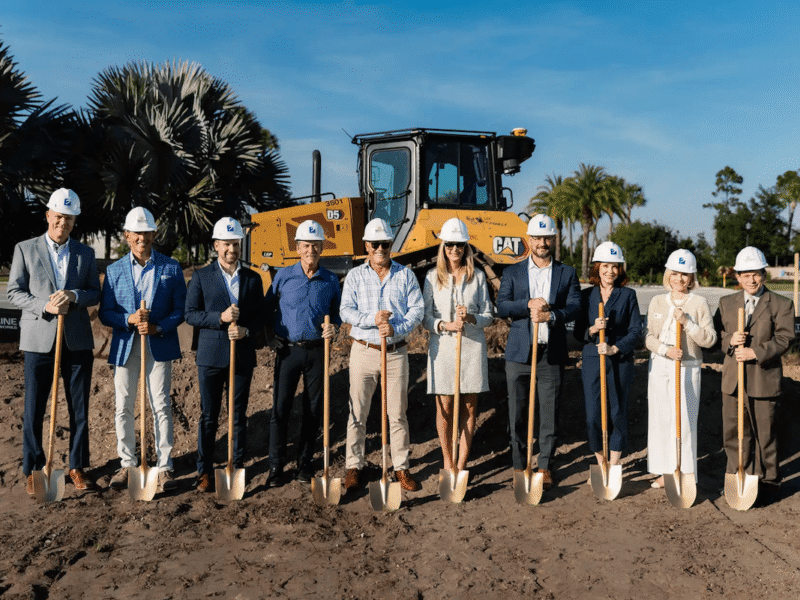
Harbor Retirement Associates (HRA) is firing up its development engine with plans for a new luxury community in St. John’s, Florida, and other future projects now in the works.