Recognizing Changes in Older Adults: Who Will Notice When Something Starts to Go Wrong?
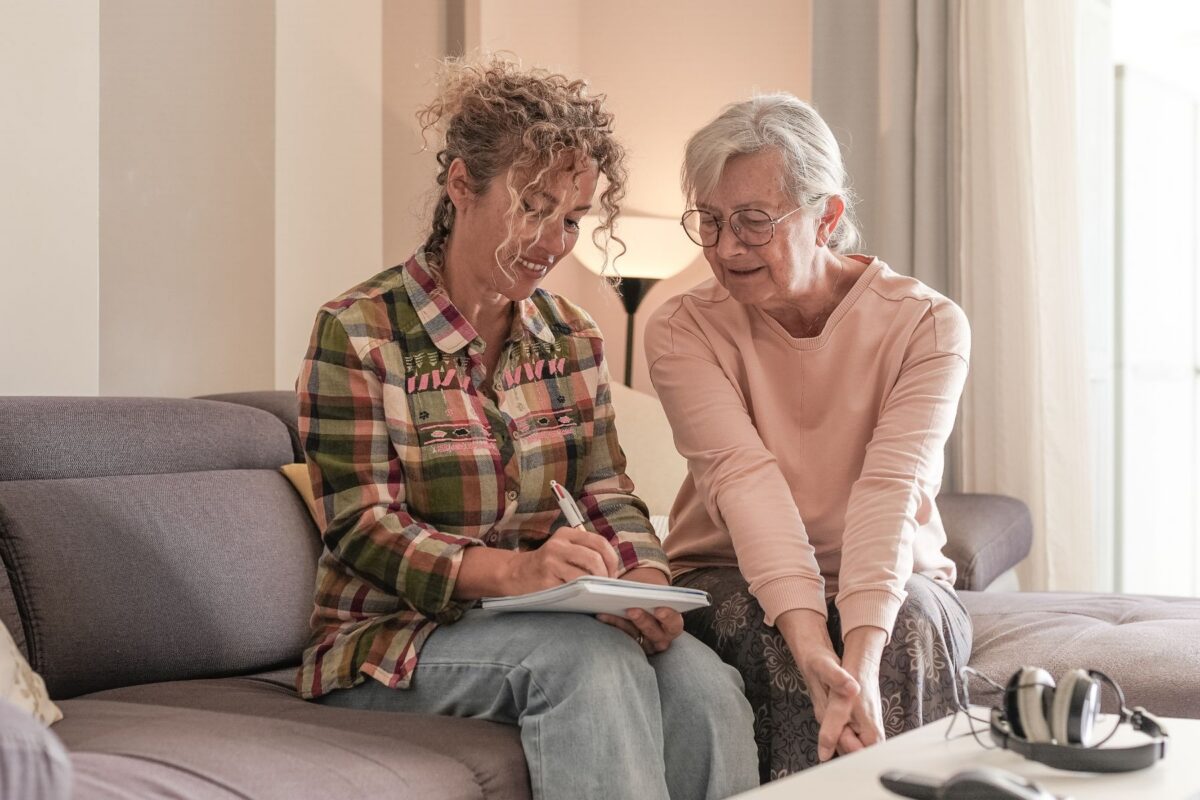
One of the most common questions families ask when considering senior living is, “Will anyone notice the things I notice?” After all, no one knows your loved one quite like you do.
You may be the one who notices that Mom seems less interested in cooking than she used to be, that Dad repeats the same story more often, or that a once-simple task now takes a little longer. These changes are often subtle, and because they happen gradually, they can be difficult to interpret. Are they normal signs of aging, or indicators that additional support may be needed?
Families also wonder what happens when they are not there.
- Is Mom eating well every day?
- Has Dad become more isolated?
- Are the small changes adding up to something more significant?
These questions are often at the heart of the senior living decision. Families want reassurance that the people caring for their loved one will not only provide support, but will also recognize the habits, preferences, routines, and personality traits that make them who they are, and notice when something changes.
At HarborChase Senior Living, families gain peace of mind through something that is difficult to replicate at home: consistent, daily human connection. Associates see residents throughout the day, every day. They get to know individual routines, preferences, and personalities, making them uniquely positioned to notice when something changes.
Consistency Creates Awareness
Recognizing changes in older adults requires seeing the same person regularly enough to know what their baseline actually looks like. A doctor sees a patient a few times a year. A family member might visit weekly. Neither of those frequencies gives you enough data points to catch a gradual shift early.
HarborChase associates throughout our senior living communities interact with residents multiple times every single day. They notice things. Furthermore, they are trained to take those observations seriously and act on them rather than second-guessing themselves.
We Know the Subtle Signs Matter Most
Big, obvious changes are easy to catch. It is the quiet ones that slip through. Whether it’s a shift in mood, appetite, mobility, social engagement, or cognitive function, HarborChase associates are trained to recognize subtle differences that may signal a need for additional support.
This ongoing awareness helps families feel confident that concerns will not go unnoticed and that their loved one is surrounded by people who truly know them.
We know you can’t be there every moment of the day – but we can.
The Right Environment Makes a Difference
A well-designed living environment reduces risk before anything even has to be noticed or responded to. Thoughtful lighting prevents the kind of nighttime disorientation that leads to falls. Level flooring and grab bars eliminate hazards that are present in most standard homes.
Clear, consistent layouts help residents navigate their space confidently. At HarborChase Senior Living, the physical environment is treated as an active part of the safety equation, not a passive backdrop.
Emergency Preparedness is Part of the Picture Too
Environmental safety also means being ready when things go wrong, which nobody could have predicted. Severe weather, power outages, and medical emergencies all require coordinated, practiced responses.
HarborChase addresses this directly, with a thorough approach to severe weather and emergency preparedness that most private homes simply cannot replicate. Knowing that a plan exists and that trained associates will execute it is a meaningful part of what makes a community environment safer than living alone.
Care That Adapts Should Needs Change
Part of environmental safety in HarborChase Senior Living communities is having the right level of support available at the right time.
Assisted living provides assistance with daily tasks, while memory care offers a specialized environment for residents living with Alzheimer’s or other forms of dementia. Respite care provides short-term support during transitions or recovery.
Having access to these options within one community means that when changes do occur, the response does not require uprooting someone’s entire life.
Key Takeaways
- Recognizing changes in older adults early is only possible when someone is consistently present enough to know what normal actually looks like for that person.
- Environmental safety is not a single feature or a checklist item. It is the cumulative result of thoughtful design, consistent human presence, and a community culture that takes well-being seriously every single day.
- Families cannot be everywhere at once, but at HarborChase, they can take comfort in knowing their loved one is surrounded by people who see them every day. That daily presence helps ensure changes are noticed, needs are understood, and support is provided when it matters most.
Choosing senior living is often about more than assistance with daily tasks. It is about ensuring that someone is there to notice the changes that matter and to provide support when it is needed most. At HarborChase, that daily presence helps residents thrive while giving families reassurance that their loved one is seen, known, and cared for.
Tags: HarborChase Senior Living, Safety
October 22, 2026
When someone you love is on active duty, prayer can bring comfort and strength. Every Monday from 5:30 to 6:30 p.m., the Palm Beach Chapter of Military Moms Prayer Group gathers at HarborChase of Palm Beach Gardens to pray for US troops deployed around the world.

October 22, 2026
It’s the season of gratitude, and we’re serving up our thanks in a martini glass! On Friday, November 20, from 4:00 to 6:00 p.m., join HarborChase of Sarasota for Thanksgiving Dinner in a Martini Glass, a happy hour to say thank you for your partnership this year.